


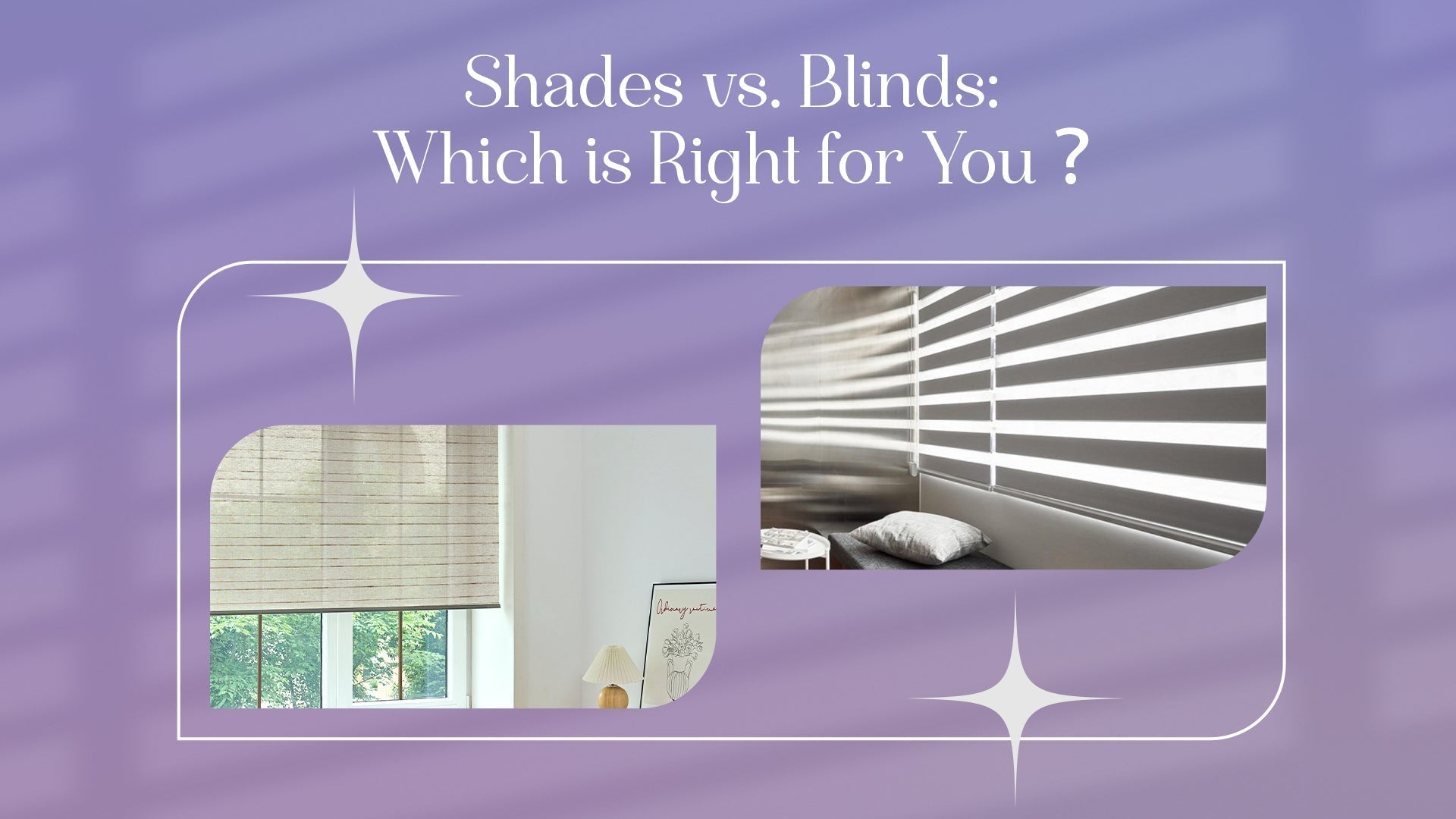
When it comes to window coverings, the choice between shades and blinds is one of the most common dilemmas homeowners face. Both options offer unique benefits, and understanding difference between blinds and shades is key to making the right decision for your space. In this comprehensive guide, we'll break down everything you need to know about shades vs. blinds, from functionality to aesthetics, helping you determine which solution best fits your needs.
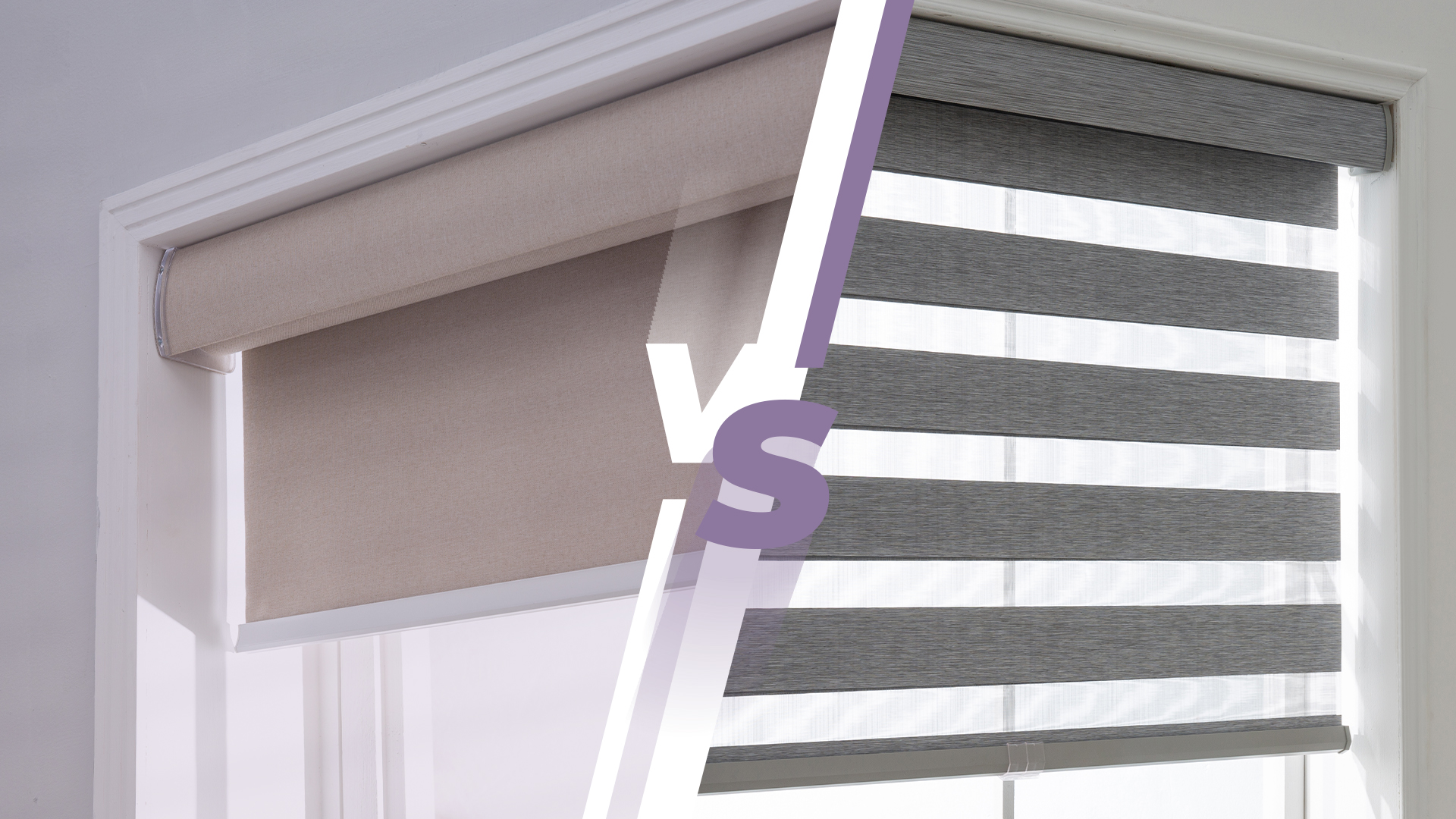

What's The Difference Between Shades And Blinds?
Blinds are window coverings composed of horizontal or vertical slats (called vanes or louvers) that can be adjusted to control light and privacy. Common materials include:
- Wood (real or faux)
- Aluminum
- Vinyl/PVC
- Composite materials
Common types:
- Venetian blinds (horizontal slats – wood, faux wood, or aluminum)
- Vertical blinds (long vertical slats, often for sliding doors)
- Panel track blinds (large fabric panels for wide windows)
The key characteristic of blinds is their adjustability - you can tilt the slats to precisely control the amount of light entering a room while maintaining some level of visibility.
What Are Shades?
Shades are made from a single continuous piece of fabric that rolls or folds up when opened. Unlike blinds, they don't have individual slats. Popular shade types include:
- Roller shades
- Roman shades
- Cellular (honeycomb) shades
- Solar shades
- Woven wood shades
Common types:
- Roller shades (simple, rolls up neatly)
- Roman shades (elegant fabric folds when raised)
- Cellular (honeycomb) shades (insulating air pockets)
- Solar shades (UV protection while maintaining view)
Shades offer a softer, more streamlined look and operate by raising or lowering the entire panel.
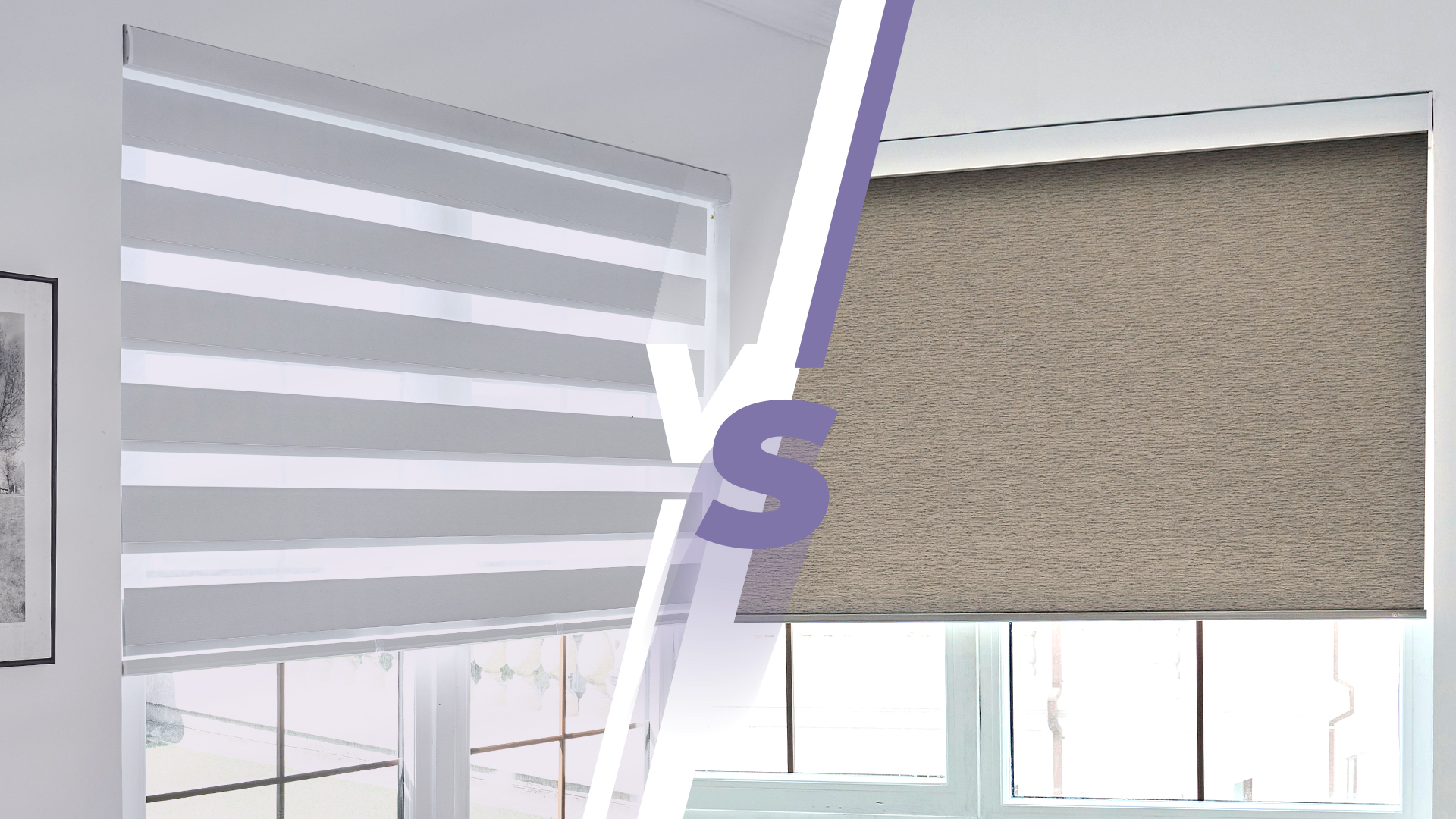

Detailed Feature Comparison:Shades And Blinds
Light Control
Blinds:
- Precise light control through adjustable slats
- Can filter light while maintaining some outward view
- Maximum flexibility for directing sunlight
Shades:
- Light control depends on fabric density
- Blackout shades block 99%+ of light
- Sheer shades diffuse light evenly
- Less precise control than blinds
Privacy
Blinds:
- Adjustable slats allow privacy while still permitting airflow
- Can maintain privacy while allowing some natural light
- Vertical blinds excellent for sliding doors
Shades:
- Complete privacy when fully lowered
- Top-down/bottom-up shades offer privacy while allowing light in from above
- No gaps between slats means no "peek-through" issues
Energy Efficiency
Blinds:
- Metal blinds can reflect heat
- Wood blinds provide some insulation
- Air can circulate between slats
Shades:
- Cellular shades trap air for superior insulation
- Blackout shades help regulate temperature
- Solar shades reduce heat gain while maintaining views
Maintenance and Cleaning
Blinds:
- Individual slats collect dust
- Require regular dusting or wiping
- Harder to clean between slats
- More durable against stains
Shades:
- Smooth surfaces easier to dust
- Many are machine washable or wipeable
- Fabric may show stains more easily
- Less crevices for dust accumulation
Aesthetic Appeal
Blinds:
- More structured, contemporary look
- Visible hardware creates defined lines
- Better suited for modern, minimalist spaces
- Available in various finishes (wood grain, metallic, etc.)
Shades:
- Softer, more elegant appearance
- Seamless fabric creates clean lines
- Wide range of textures and patterns
- Better for traditional or cozy spaces
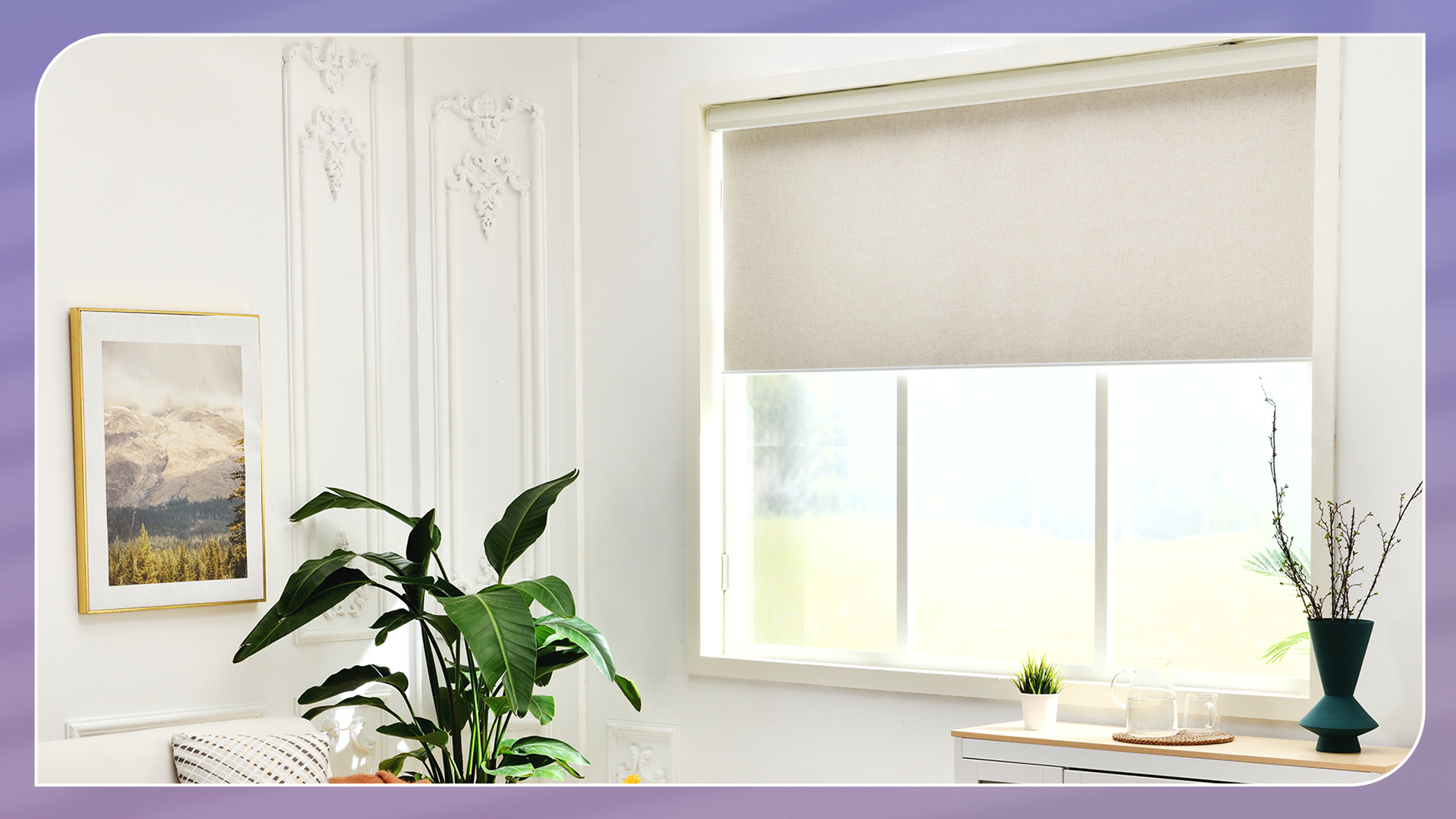

Room-by-Room Recommendations
Best Window Treatments for Bedrooms
Top Pick: Cellular Shades
- Superior blackout options for uninterrupted sleep
- Excellent insulation for temperature control
- Cordless designs for safety
- Noise-reducing fabric qualities
Ideal Living Room Solutions
Consider:
- Dual-layer sheer/blackout shades for versatility
- Wood blinds for a classic, adjustable solution
- Motorized options for high or hard-to-reach windows
Kitchen Window Must-Haves
Best Choice: Faux Wood Blinds
- Resistant to moisture and grease
- Easy to wipe clean from cooking splatters
- Adjustable for ventilation while cooking
- Won't warp like real wood
Bathroom Window Solutions
Recommended:
- Vinyl or composite blinds (humidity-resistant)
- Waterproof roller shades
- Avoid natural materials that may warp
Home Office Considerations
Optimal Solutions:
- Light-filtering shades to reduce glare
- Adjustable blinds for precise light control
- Motorized options for convenience during work hours
How to choose Shades or Blinds?
Ultimately, the choice between shades and blinds depends on your specific needs:
Choose blinds if you:
- Want maximum light control flexibility
- Prefer a more structured, modern look
- Need easy-to-clean surfaces
- Want the most budget-friendly options
Choose shades if you:
- Prioritize insulation and energy efficiency
- Prefer a softer, more uniform appearance
- Need complete blackout capabilities
- Want advanced fabric technology
Consider Graywind smart solutions if you:
- Want the latest in home automation
- Value energy efficiency and sustainability
- Need custom sizing for unique windows
- Appreciate premium materials and craftsmanship
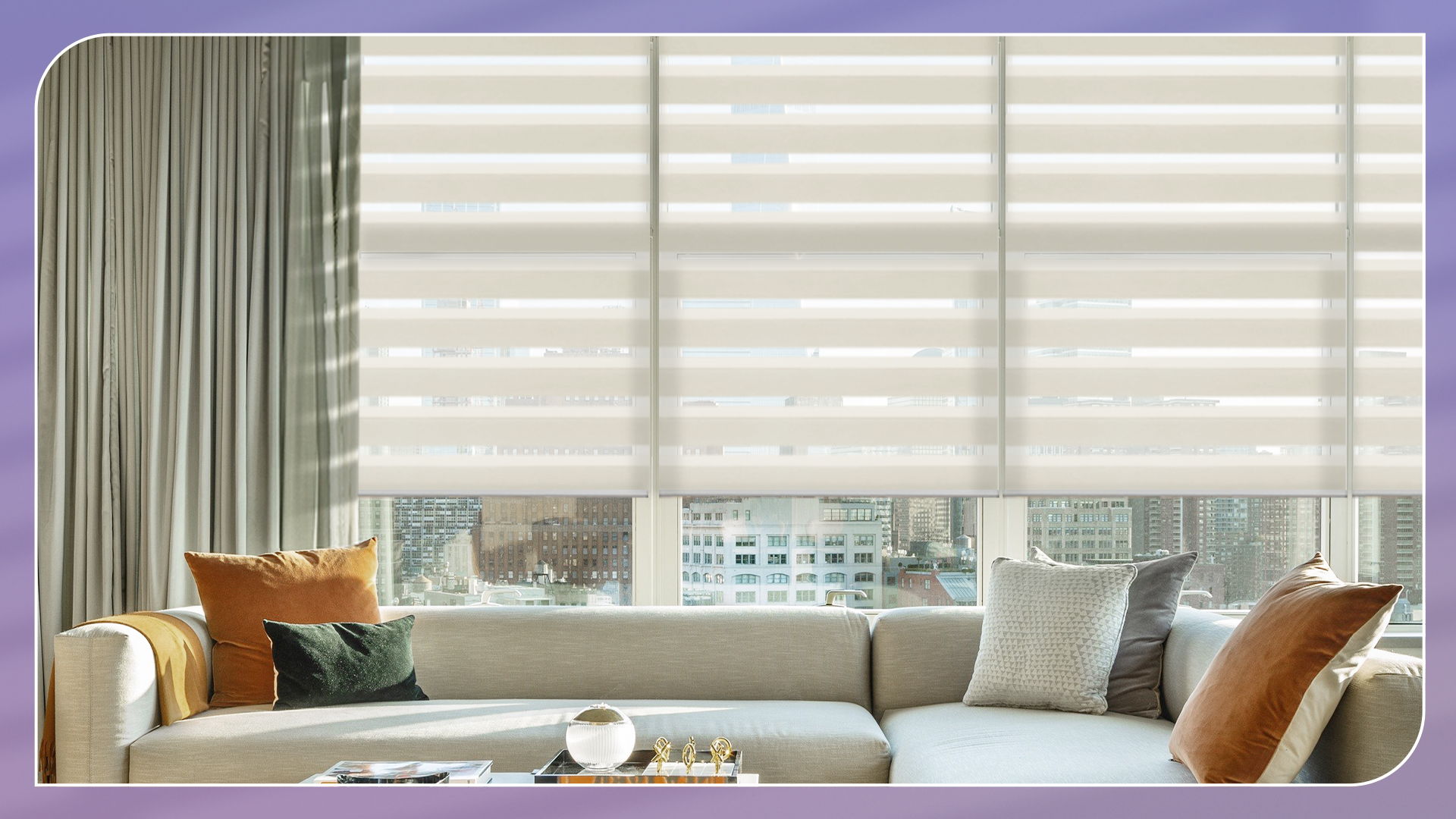

Remember that many homes benefit from using both types in different rooms. We can help you create a cohesive look throughout your space while selecting the ideal blinds or shades for each area's specific requirements.


